
News
Media Library
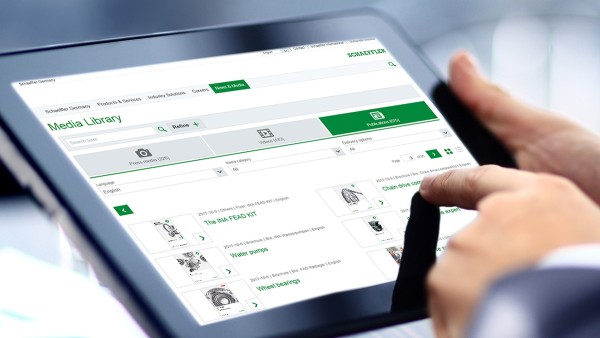
Current brochures, publications and catalogs as well as videos and photos about the Schaeffler Group and its products are available in our media library.
Divisions & Services
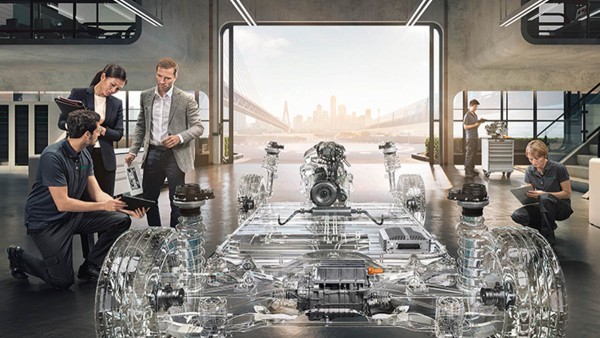
The Automotive Technologies division develops and manufactures groundbreaking products for engine, transmission, and chassis applications. For both vehicles with drive trains based on the internal combustion engine, and hybrid and electric vehicles.
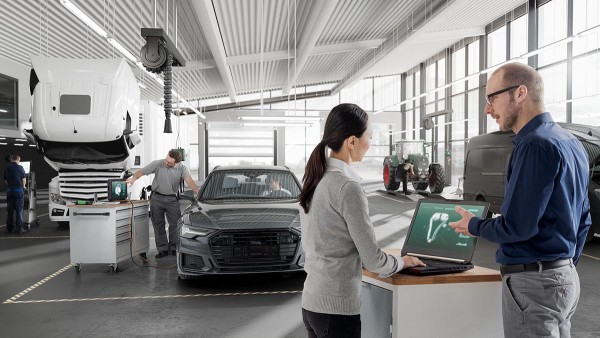
The Automotive Aftermarket / Vehicle Lifetime Solutions division is responsible for the global spare parts business and delivers innovative repair solutions in original-equipment quality. Under the brands LuK, INA, and FAG we offer clutch and release systems, engine and transmission applications, as well as chassis applications.
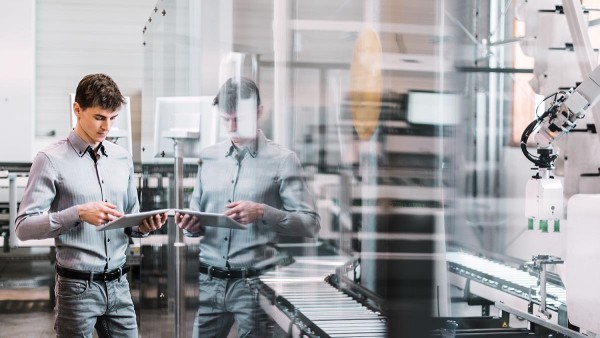
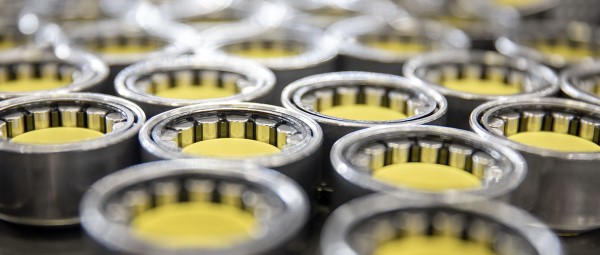
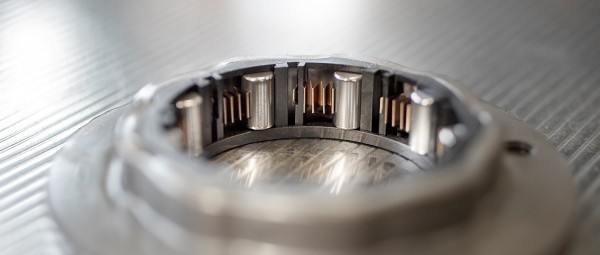
The Industrial division offers a wide portfolio of bearing solutions, ranging from high-speed and high-precision bearings with small diameters to large-size bearings several meters wide. Increasingly, the focus here is on smart products and on connecting components.
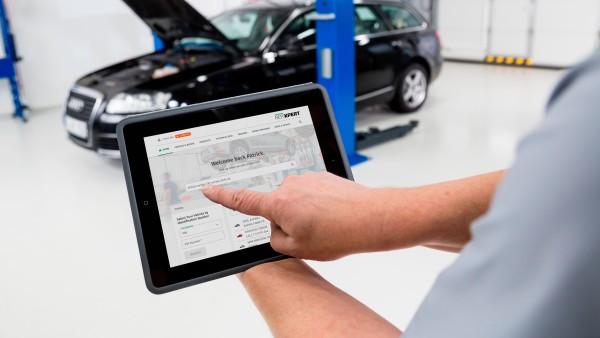
With REPXPERT, we offer support in everyday garage life: online portal, training, special tools, technical information or service hotline – here you get all technical services from a single source.
Services for garages
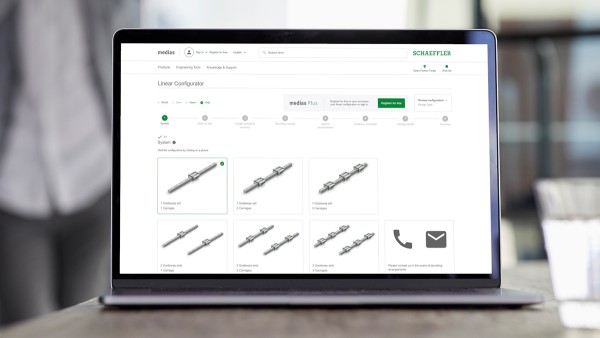
The product selection and information system for rolling bearings, plain bearings and linear guidance systems.
Product catalog medias

Are you interested in a brief introduction to BEARINX-online? In this introduction, we present e. g. the user interface and the theory and creation of a calculation model.
Request brief introduction BEARINX-online (in German)
Jobs & Careers
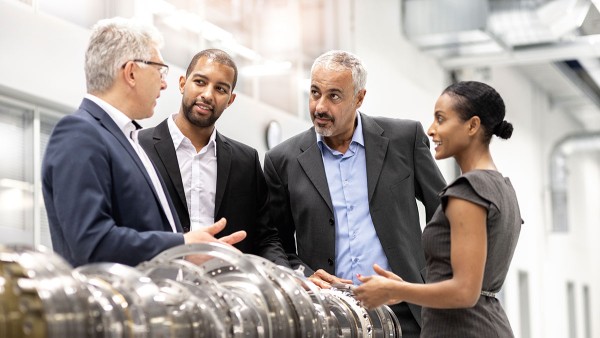
We offer job opportunities for everyone, from students to professionals in a wide range of functions and in many locations worldwide. Become part of the Schaeffler team!
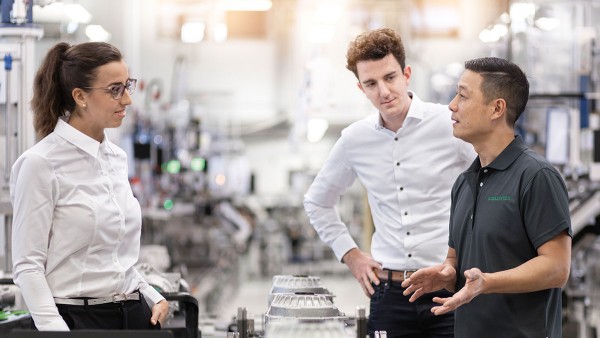
We want to play an active role in mobility thus making a contribution as an automotive and industrial supplier towards making the world a cleaner, safer and smarter place. Join in!